
Phone:+86-13952799285
If your gums bleed when you brush, feel tender after meals, or have started receding, the toothbrush you choose matters far more than most people realize. The best toothbrush for sensitive gums is not the most expensive model or the one with the most advanced features; it is the one that removes plaque thoroughly while keeping pressure on soft tissue to a minimum. This guide explains exactly what to look for, how different bristle and power options compare, and which product types consistently deliver the gentlest yet effective clean.
What Makes a Toothbrush Suitable for Sensitive Gums
Before comparing individual models, it helps to understand the three features that most directly affect gum comfort: bristle softness, bristle tip shape, and the brushing force the handle encourages. A toothbrush can claim to be gentle, but the real test is whether its design reduces trauma to the gum line during a normal two-minute brushing routine.
Bristle Softness and Tip Shape
Soft bristles are the non-negotiable starting point for sensitive gums. Many dentists recommend soft or extra-soft bristles because medium and hard bristles can abrade gum tissue and even contribute to enamel wear over time. However, not all soft bristles perform equally. The most comfortable brushes use tapered or rounded filament tips, which clean the gingival margin without scratching it.
Brush Head Size and Handle Design
A smaller brush head gives you better control. It allows you to angle the bristles toward the gum line without poking the soft tissue. Handle design also matters: a handle with a comfortable grip reduces the tendency to grip too tightly and brush too aggressively. Some users naturally press harder when they cannot reach certain areas, so a brush that makes access easy can protect gums indirectly.
Pressure Control Features
Pressure control is one of the most valuable innovations for people with sensitive gums. When a brush detects that you are pressing too hard, it can reduce power, change vibration pattern, or alert you to ease off. This feature is especially helpful for long-time vigorous brushers who find it difficult to change their habits.
The chart above summarizes how often each feature appears in toothbrush models specifically designed for sensitive gums. Soft bristles and rounded tips are nearly universal, while pressure sensors and timers are less common but highly valuable when present.
Manual vs Electric Toothbrush for Sensitive Gums
Both manual and electric toothbrushes can be excellent for sensitive gums, but they protect gum tissue through different mechanisms. The right choice depends on your brushing habits, budget, and comfort level with each type.
| Factor | Manual Soft-Bristle Toothbrush | Electric Toothbrush (Sonic or Oscillating) |
|---|---|---|
| Cleaning mechanism | Physical scrubbing by the user | Rapid bristle movement or vibration does most of the work |
| Risk of over-brushing | Higher if technique is poor | Lower with pressure sensor; still possible without one |
| Cost | Low initial cost, replace every 3 months | Higher initial cost, plus replacement heads |
| Ease of use | Requires disciplined technique | Simplifies proper brushing motion |
| Portability | Very portable | Battery or rechargeable models vary |
| Best for | People who prefer control and simplicity | People who want consistent cleaning with less effort |
If you already brush gently and have no plaque buildup issues, a high-quality manual toothbrush with soft bristles is a perfectly valid choice. If you struggle to brush long enough, tend to press hard, or simply prefer automation, an electric toothbrush with a pressure sensor may provide better protection.
Why Electric Toothbrushes Can Be Gentler
Electric toothbrushes, particularly sonic models with high vibration frequencies, reduce the need for lateral scrubbing. You simply glide the brush along the teeth and gum line. This minimizes the chance of horizontal scrubbing, which is one of the most common causes of gum recession. Sonic brushes also produce a dynamic fluid effect that helps disrupt plaque biofilm even slightly beyond the bristle tips.
Oscillating-rotating electric brushes work differently. They use a small round head that rotates in one direction and then the other, which helps each bristle remain in contact with the tooth surface for longer. This design is effective at plaque removal and is also gentle when used with soft bristles and moderate pressure.
The line chart shows a simplified comparison of plaque reduction over three months. Sonic brushes tend to show the fastest early improvement because their high-frequency cleaning reaches areas that manual brushing might miss. However, the most important takeaway is that any of these brushes will reduce plaque effectively if used correctly and consistently. The best brush for sensitive gums is the one you are comfortable using twice a day without skipping.
Key Features to Look for in the Best Toothbrush for Sensitive Gums
When you start comparing specific products, keep these seven features in mind. They separate a genuinely gum-friendly toothbrush from one that simply uses the label soft as a marketing term.
- Soft or extra-soft bristles with polished tips: Polished tips prevent microscopic fraying that can irritate gums.
- Small or compact head: A head around 25 to 30 mm long reaches posterior teeth comfortably.
- Pressure sensor: This feature alerts you when you are brushing with too much force, which is the single most common cause of brushing-related gum damage.
- Multiple brushing modes: A gentle or sensitive mode reduces power output for delicate gum tissue.
- Timer with quadrant pacing: Ensures you brush for a full two minutes and distribute time equally across your mouth.
- Comfortable non-slip handle: Prevents over-gripping, which often leads to excessive pressure.
- Replaceable heads with reasonable cost: Soft bristles lose their shape in about three months, so affordable replacement heads help you maintain good hygiene.
What Bristle Diameter Means for Your Gums
Bristle diameter is measured in millimeters and directly influences softness. Standard soft bristles range from 0.18 to 0.25 mm. Extra-soft bristles are usually 0.15 to 0.18 mm. Some brands use tapered bristles that narrow at the tip, allowing the base to remain sturdy while the tip is gentle. This design gives the best of both worlds: effective plaque removal and minimal gum irritation.
For sensitive gums, look for brushes that specify their bristle diameter or filament thickness. A brush with high-density, fine filaments can clean the gum line more thoroughly because more bristles are in contact with the tooth surface, but each filament exerts less individual pressure. This is a key design feature in several gentle-care toothbrushes made for people with receding gums or hypersensitivity.
This bar chart illustrates the bristle diameter ranges commonly found in different toothbrush categories. For sensitive gums, extra-soft and soft bristles are the only appropriate choices. Within the soft range, look for a brush that uses tapered or rounded filaments to maximize comfort.
Comparing Toothbrush Types for Gum Sensitivity
Now that you know the key features, it is useful to see how different toothbrush categories compare in a head-to-head manner. The table below rates each type against the criteria that matter most for sensitive gums.
| Toothbrush Type | Gentleness | Plaque Removal | Ease of Use | Value |
|---|---|---|---|---|
| Manual soft-bristle | High | Moderate to high | Moderate | Excellent |
| Sonic electric | Very high | High | High | Good |
| Oscillating-rotating | High | Very high | High | Good |
| Battery-powered simple electric | Moderate | Moderate | High | Very good |
The ratings in this table reflect general product characteristics rather than specific models. Sonic electric brushes earn a slight edge in gentleness because their vibration frequency allows the brush to do the work without requiring any scrubbing motion. Oscillating brushes are slightly more effective at plaque removal but require the user to hold the brush at a slight angle against the gum line, which can feel unfamiliar at first.
Why Sonic Toothbrushes Stand Out for Sensitive Gums
Sonic toothbrushes produce bristle vibrations in the range of 24,000 to 48,000 movements per minute. At these speeds, brushing no longer depends on hand motion. You can hold the brush lightly and move it slowly from tooth to tooth. The vibrating action generates microbubbles in saliva and toothpaste, which gently flush plaque away from the gum line.
Several sonic models designed for sensitive users include a specific gentle mode that lowers the frequency to around 20,000 to 28,000 movements per minute. This mode is clinically useful for people with exposed dentin, recent dental work, or inflamed gums. If you have severe gum sensitivity, a sonic brush with a sensitive mode is often the safest choice.
The radar chart compares sonic electric and manual toothbrushes across five criteria. Sonic brushes score higher on plaque removal and ease of use, while manual brushes lead on battery life and value. Gentleness scores are close, confirming that either type can work well for sensitive gums if the bristles and technique are appropriate.
Specific Product Recommendations for Sensitive Gums
Let us now look at some concrete toothbrush types and models that translate these principles into practice. While specific user experiences vary, the following categories consistently appear in discussions of gum-friendly brushing.
Soft-Bristle Manual Toothbrushes with Small Heads
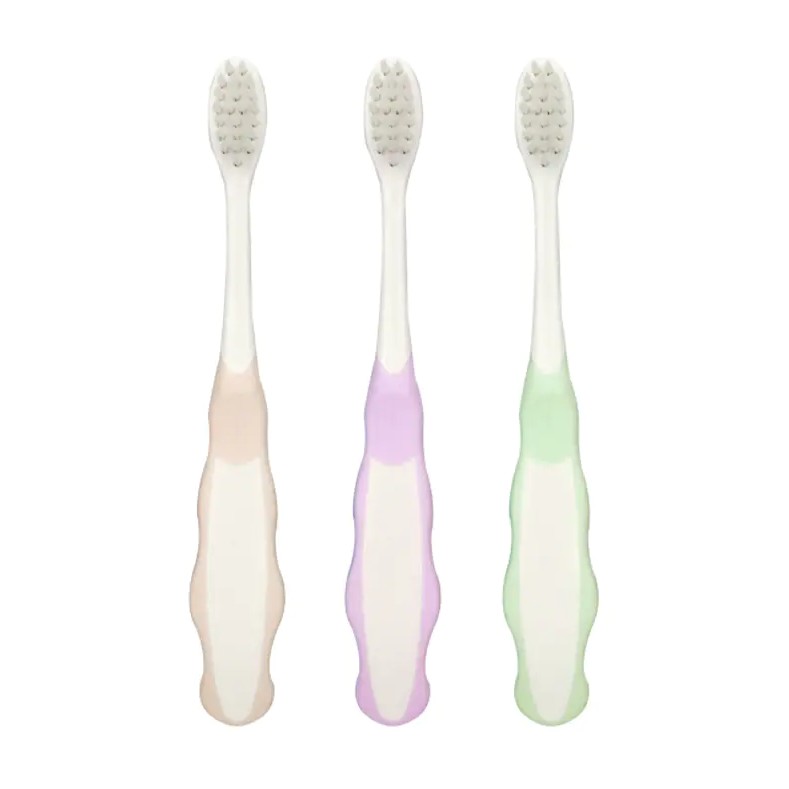
A well-designed manual toothbrush remains one of the most reliable tools for sensitive gums. The ALB4001 Nano Soft Small-Head Toothbrush uses very fine filaments that can reach tight spaces along the gum line without excessive force. Its compact head is particularly helpful for navigating the molars at the back of the mouth, an area where larger brushes often cause accidental gum poking.
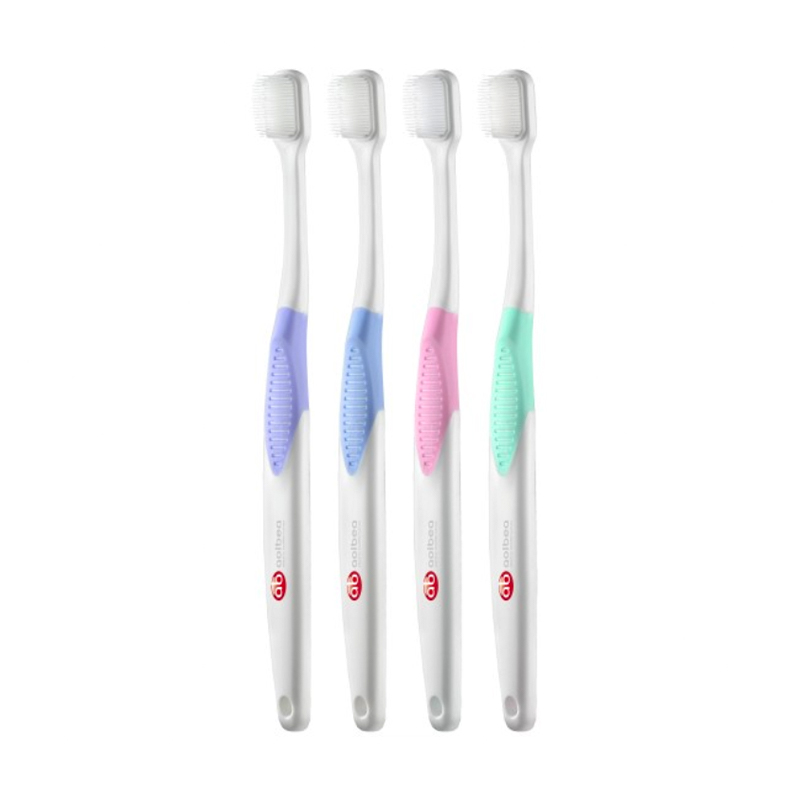 ALB-4001 Nano Soft Small-Head Toothbrush for Sensitive GumsThis manual brush features ultra-fine filaments and a compact head, making it easier to reach back teeth without poking tender gums. A practical choice for gentle, thorough cleaning.View Product →
Another strong option is the ALB4008 Gum Care Soft-Bristle Toothbrush, which is designed specifically for people who experience gum bleeding or tenderness. It combines densely packed soft bristles with a head shape that allows the filaments to follow the curvature of the teeth. If you have been using a medium-bristle brush and noticing persistent gum irritation, switching to a model like this is a simple but effective first step.
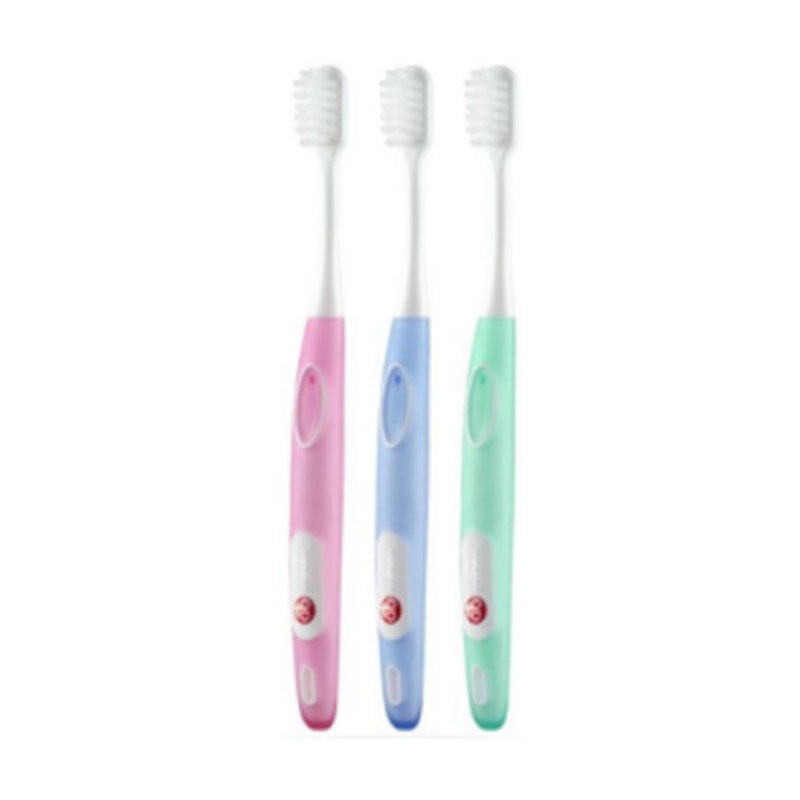 ALB-4008 Gum Care Soft-Bristle ToothbrushDesigned for people with bleeding or tender gums, this brush uses densely packed soft bristles and a contoured head to follow tooth curvature. A simple switch to help reduce irritation.View Product →
Breathable Toothbrush Design and Gum Health
One often-overlooked factor in gum sensitivity is the hygiene of the toothbrush itself. Traditional brush heads have closed tuft holes where water and toothpaste residue linger, creating a breeding ground for bacteria. Breathable toothbrush technology uses open or ventilated eyelets that allow moisture to drain, reducing bacterial buildup on the brush head over time.
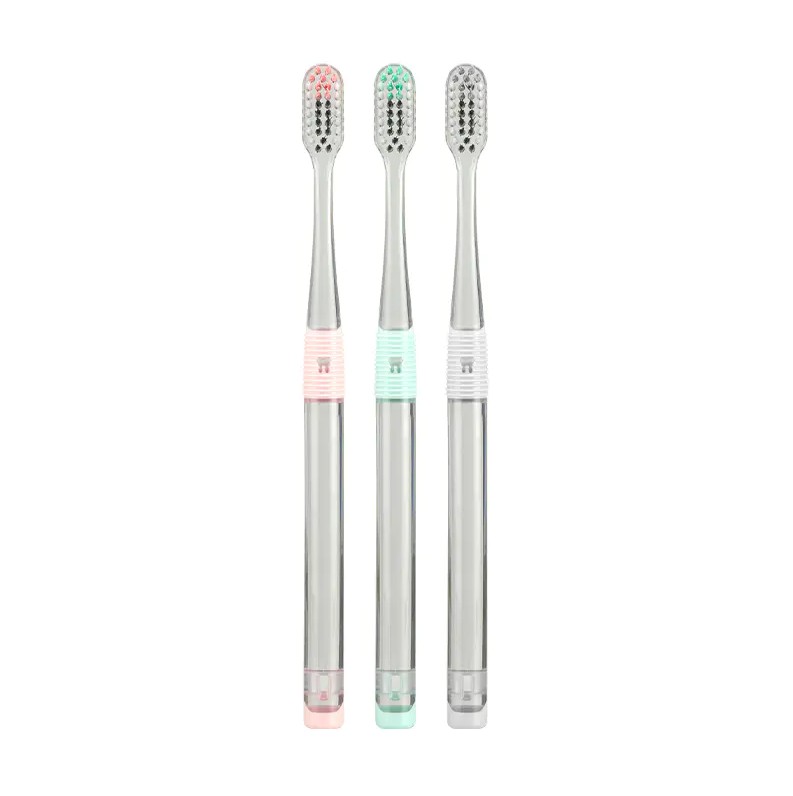
For people with sensitive gums, this design matters because bacterial buildup on the brush can re-introduce microbes into the mouth, potentially aggravating inflammation. Breathable brushes are also easier to keep clean, which is valuable if you brush twice daily as recommended. The ALB4028T Breathable Gum Care Toothbrush combines breathable technology with soft polishing filaments, making it a thoughtful choice for those who want both comfort and better brush hygiene.
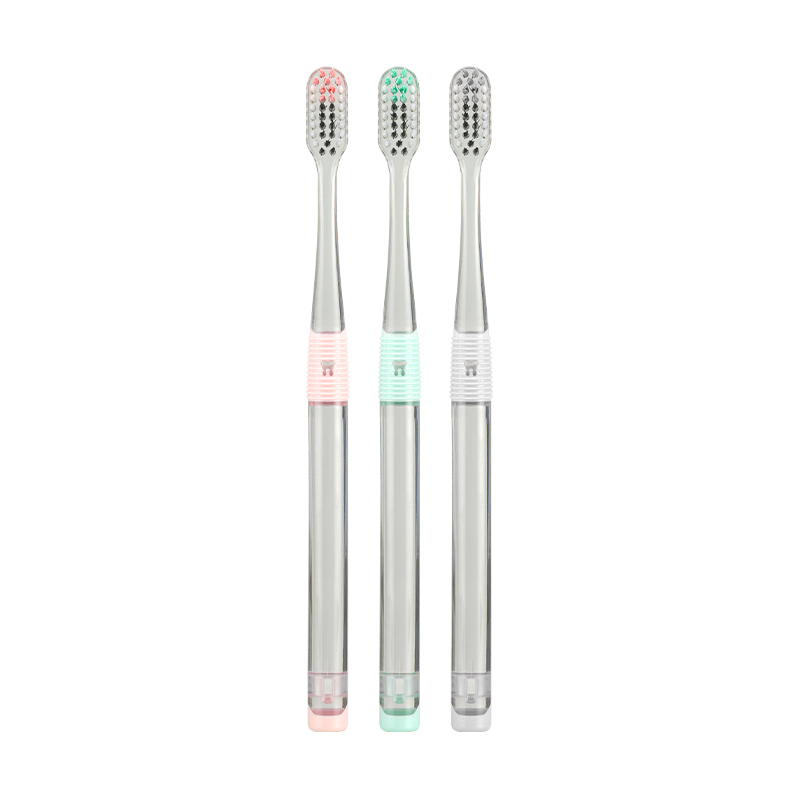 ALB-4028T Breathable Gum Care ToothbrushCombining breathable bristle technology with soft polishing filaments, this brush helps reduce moisture buildup and bacterial growth, supporting cleaner brush hygiene for sensitive mouths.View Product →
Sonic and Oscillating Electric Toothbrush Options
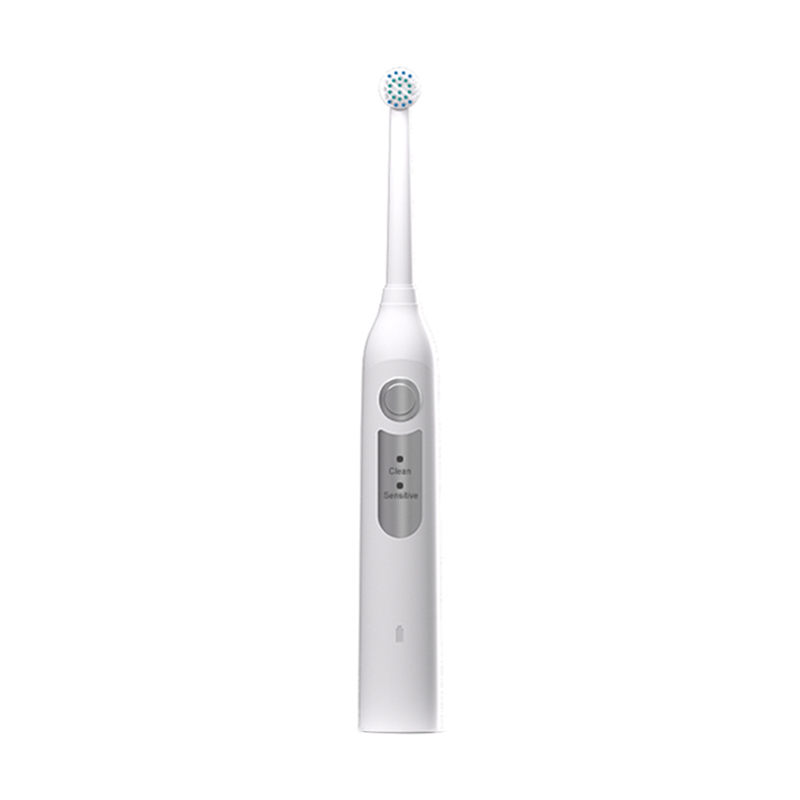
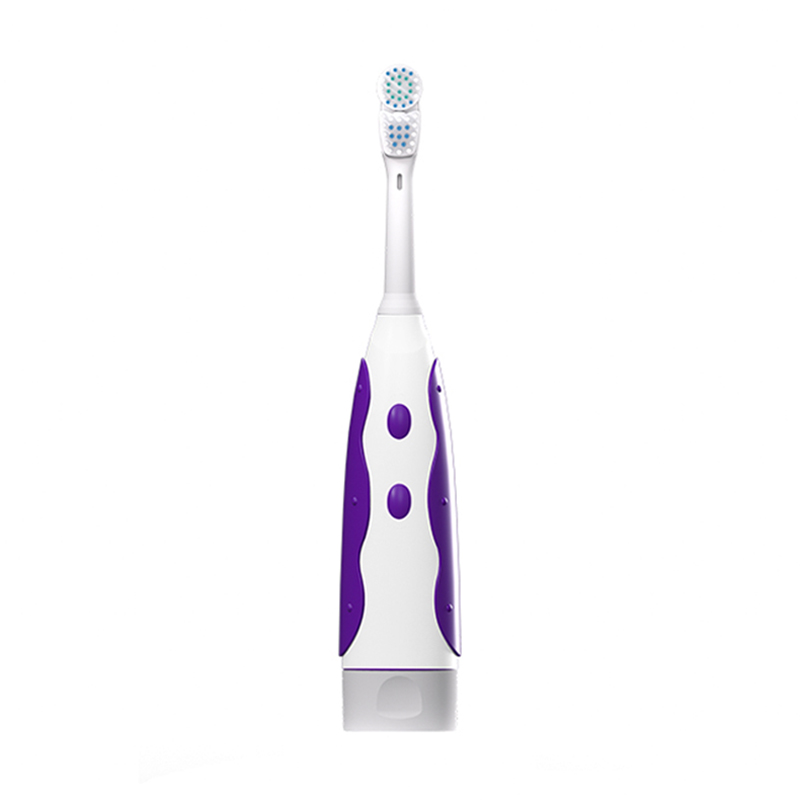
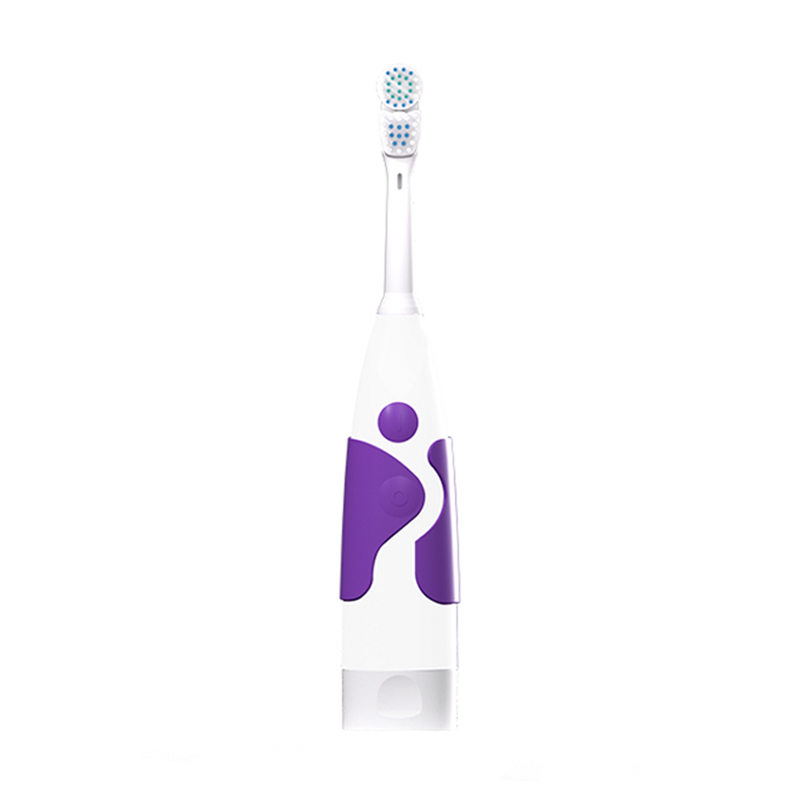
If you prefer an electric toothbrush, look for models with a sensitive mode and a pressure indicator. Sonic brushes such as the ALB972 Sonic Adult Rechargeable Electric Toothbrush deliver high-frequency vibration while allowing you to switch to a gentler setting when your gums feel sore. The combination of soft bristles and adjustable power makes it possible to continue brushing comfortably during a flare-up.
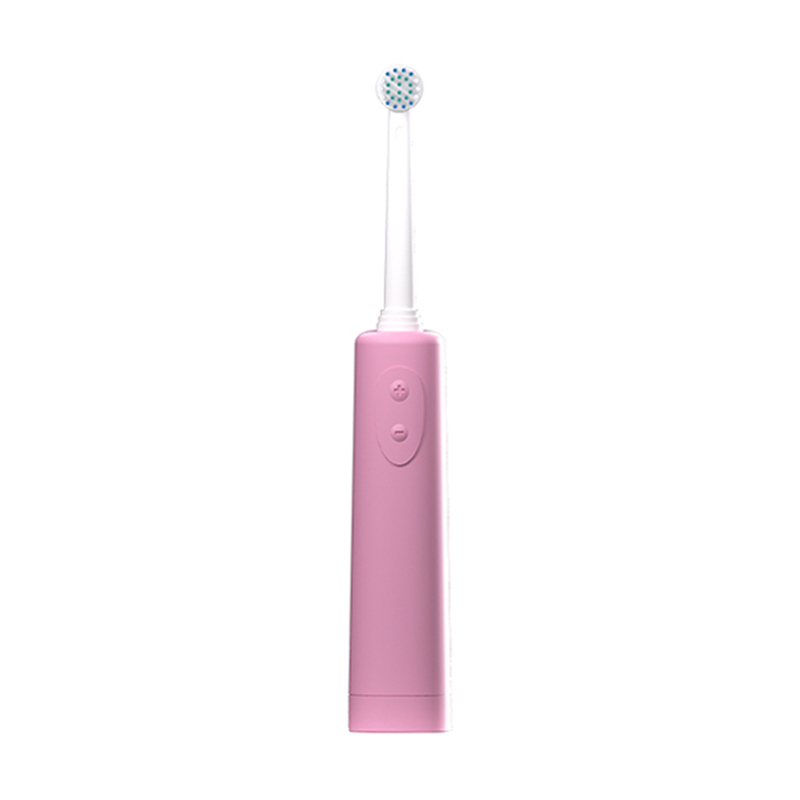
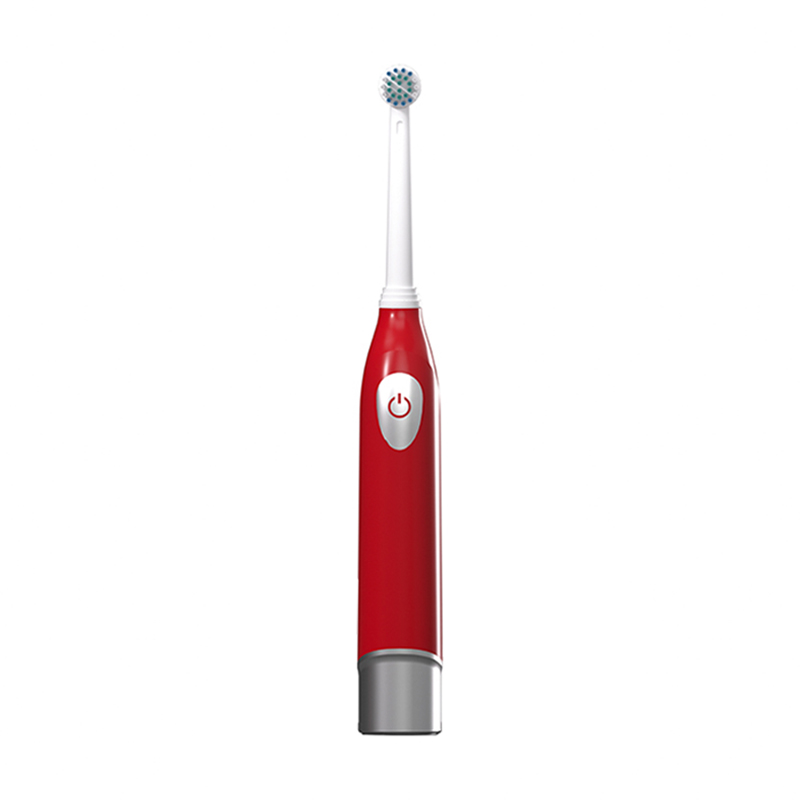
Oscillating brushes have a different advantage. The round brush head on models like the ALB9106 Deep-Cleaning Oscillating Electric Toothbrush wraps around each tooth surface with a deliberate rotating motion. This design is useful for reaching the gum line at the back of the mouth. If you choose an oscillating model, pair it with a brush head labeled soft and use only light pressure.
How to Brush Sensitive Gums Correctly
The best toothbrush for sensitive gums cannot compensate for a brushing technique that is too aggressive. The following method is widely recommended by dental professionals and is especially important for people with gum recession or sensitivity.
- Place the bristles at a 45-degree angle to the gum line, aiming toward the point where teeth meet gums.
- Use gentle circular motions or let the electric brush vibrate without pressing down. Imagine the bristle tips resting on the gums without bending them.
- Move systematically around the mouth, spending about 30 seconds on each quadrant. A timer or a built-in quadrant pacer helps you keep a steady pace.
- Do not scrub back and forth across the gum line. This horizontal motion is the main cause of gum abrasion and recession.
- Rinse the brush head thoroughly after use and store it upright to air dry. If you use a breathable toothbrush, take advantage of the open eyelets to drain moisture.
One additional tip: if gum sensitivity appeared recently or is accompanied by bleeding that lasts for more than a week, visit a dentist before changing your brushing routine. Gum disease, hormonal changes, and certain medications can cause sensitivity that requires professional treatment rather than a different toothbrush.
Common Mistakes to Avoid
Many people accidentally choose a toothbrush that makes their gum sensitivity worse. These mistakes are easy to make, but also easy to correct.
| Mistake | Why It Hurts Gums | Better Alternative |
|---|---|---|
| Using hard or medium bristles | Hard bristles abrade gum tissue and expose root surfaces | Use only soft or extra-soft bristles |
| Brushing with heavy pressure | Excessive force pushes gum tissue away from teeth | Use a brush with a pressure sensor or hold it like a pencil |
| Choosing a large brush head | Reduces maneuverability and increases accidental gum damage | Select a small or compact head that matches your mouth size |
| Replacing the brush too infrequently | Frayed bristles become sharp and less effective | Replace every 3 months or sooner if bristles appear worn |
| Skipping the gums while brushing | Bacteria accumulate at the gum line and cause inflammation | Angle bristles toward the gum line and brush gently |
Reviewing these mistakes can help you identify why your gums remain sensitive even if you already use a soft-bristle brush. Technique and maintenance habits are just as important as the toothbrush model.
Frequently Asked Questions
Should I use an electric or manual toothbrush for sensitive gums?
Both types work effectively when paired with soft bristles and gentle technique. Electric toothbrushes, especially sonic models with pressure sensors, reduce the physical effort required and help you avoid over-brushing. Manual brushes are simpler and inexpensive. If your gums are very sensitive, an electric brush with a sensitive mode is often the more comfortable option.
How often should I replace my toothbrush if I have sensitive gums?
Replace it every three months, or immediately after an illness. If the bristles splay outward before three months, you may be brushing too forcefully. A worn brush with frayed bristles can irritate your gums further, so do not wait for the three-month mark if the brush shows visible wear.
Are natural or charcoal bristles better for sensitive gums?
There is limited clinical evidence that charcoal-infused bristles provide additional gum benefits. What matters more is bristle softness and tip shape. Charcoal brushes are not necessarily softer than standard nylon brushes. Read the label for bristle diameter and opt for a brush that explicitly states soft or extra-soft.
Can the best toothbrush for sensitive gums help with receding gums?
Yes, a soft-bristle toothbrush with polished tips can help prevent further recession by reducing mechanical trauma. However, if gum recession is already significant, no toothbrush can rebuild lost gum tissue. A dentist or periodontist can recommend appropriate treatment options.
Final Verdict: Which Toothbrush Should You Choose
If you are looking for a single answer: choose a toothbrush with soft or extra-soft bristles, a small or compact head, polished filament tips, and a pressure control feature if you are buying an electric model. For most people with sensitive gums, a sonic rechargeable toothbrush in sensitive mode offers the best balance of comfort and cleaning power. If you prefer to keep things simple or travel frequently, a high-quality soft-bristle manual toothbrush remains an excellent choice.
No matter which brush you select, the ultimate measure of success is how your gums respond over time. Healthy gums should not bleed, hurt, or look inflamed after brushing. If you experience persistent discomfort despite using a gentle toothbrush and following proper technique, schedule a dental examination to rule out underlying conditions such as gingivitis, periodontitis, or tooth sensitivity caused by enamel loss.
The right toothbrush is an important part of gum care, but it is only one part. Combine it with daily flossing, a balanced diet, regular dental visits, and a consistent brushing habit. For further reading, refer to our guide on how nano-soft toothbrush design addresses gum sensitivity, and learn more about choosing bristle softness scientifically. If you are weighing electric options, our comparison of manual versus electric brushes can help you decide. For a broader look at choosing the right brush for your mouth, visit our guide on how to choose the right toothbrush.
Begin with a brush that feels gentle on the first use, then pay attention to how your gums feel after one week. If tenderness decreases and your mouth feels clean without any sore spots, you have found your match.